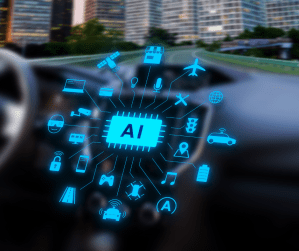
What is Artificial Intelligence? What is the hype all about? Let’s first examine a few AI definitions. IBM states that AI combines computer science and robust datasets to enable problem-solving disciplines comprised of algorithms that seek to create expert systems which make predictions or classifications based on input data. Britanica.com defines AI as the ability of a digital computer or computer-controlled robot to perform tasks commonly associated with intelligent beings and the project of developing systems endowed with the intellectual processes characteristic of humans, such as the ability to reason, discover meaning, generalize, or learn from experience.
ScienceDirect.com also provides a plethora of definitions. Simply put, AI is an area of computer science that focuses on creating intelligent machines that can simulate human intelligence and perform tasks that typically require human intelligence, a catch-all bucket for any technology that strives to perform tasks that require human intelligence and skills. Learning how AI works can be manageable and a relative concept worth exploring in the classroom.
Integrating AI in education can lead to significant advancements and improvements in the learning process:

1. Personalized Learning: AI-powered educational tools can offer personalized learning experiences tailored to individual student’s needs, strengths, and weaknesses. This level of personalization can lead to better engagement and academic performance, as students are more likely to stay motivated when their learning experience is tailored to their pace and style.
2. Improve Efficiencies: AI can also streamline administrative tasks for educators, allowing them to focus more on providing one-on-one attention to students and addressing their unique needs. Automated grading, data analysis, and content creation are examples of how AI can help educators optimize their time and efforts.

3. Teacher Support: AI can assist teachers by automating administrative tasks, such as grading and attendance tracking, giving them more time to focus on instructional activities and building stronger student relationships.
4. Real-time Feedback: AI can provide instant feedback on quizzes and assignments, allowing students to identify areas where they need improvement and take corrective actions promptly.
5. Adaptive Content: AI algorithms can adapt the difficulty level of educational content based on a student’s progress and learning pace, ensuring that each student is challenged appropriately.
6. Early Intervention: AI can help identify struggling students early on, allowing educators to provide targeted interventions and support before issues escalate.
7. Data-Driven Insights: By analyzing large sets of educational data, AI can generate valuable insights for school administrators and policymakers, aiding them in making informed decisions to improve the overall learning environment, provide valuable insights into student performance patterns, allowing educators to identify at-risk students early on and implement targeted interventions to help them succeed.

By actively participating in developing and implementing AI tools in education, educators can leverage AI as a friend rather than a foe. See how a school designed its own AI curriculum in the article Education Week: Artificial Intelligence Is All Around Us. This District Designed Its Own AI Curriculum.
Of course, embracing AI in the classroom comes with challenges and ethical considerations. One concern is the potential for AI to perpetuate existing biases in educational systems. Ensuring that AI algorithms are designed and trained with fairness and inclusivity in mind is crucial.
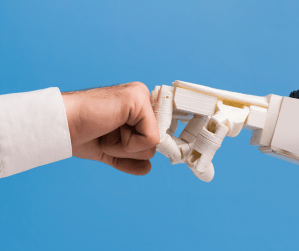
AI has the potential to revolutionize education and positively impact student outcomes. By incorporating AI tools in the classroom, educators can enhance the learning experience, promote student success, and provide the best possible education to every student. For example, Delivering the Future of K-12 Education examines powerful new technologies that create more agile, versatile, and effective learning environments.
Feel free to ask if you’d like to dive deeper into any specific aspect of AI in education or if you have any other topics, you’d like me to discuss.

Author, Arlene Gladney, MBA, CBAP
W: http://www.precise-requirements.com
E: arlene@precise-requirements.com
 Step Into the Future
Leave a comment