While AI has made significant advancements in the field of education, there are still certain aspects and challenges that it may not fully address or where its effectiveness may be limited. Here are some areas where AI may have limitations in education:

Emotional Support and Human Connection: AI lacks the ability to provide the emotional support and human connection that students often need. Building trust, empathy, and emotional bonds are essential in education and can’t be entirely replaced by technology.

Ethical and Moral Education: Teaching ethics, morals, and values is a complex and nuanced task that involves discussions and ethical dilemmas. AI lacks the ability to engage in meaningful ethical discussions and guide students through moral decision-making.
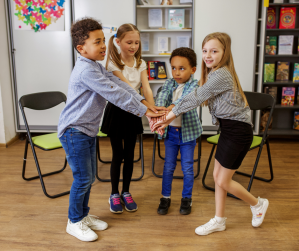
Social Skills and Collaboration: Developing social skills and the ability to collaborate effectively with others is an integral part of education. These skills are best learned through human interactions and group activities.
Complex Problem-Solving and Critical Thinking: AI is excellent at automating routine tasks and providing recommendations, but it may struggle with teaching complex problem-solving skills and nurturing critical thinking abilities, which are crucial for higher-level learning.
Creativity and Imagination: Encouraging creativity, fostering imagination, and promoting artistic expression are areas where human educators excel. AI may not be able to inspire and support creative thinking to the same extent.

Special Education and Individualized Learning: Students with special needs often require highly individualized support, which can be challenging for AI to deliver effectively. Human educators can tailor their approach to meet each student’s unique requirements.
Real-Life Experiences and Field Trips: Some educational experiences, such as field trips and hands-on experiments, are challenging for AI to replicate. These experiences provide valuable real-world learning opportunities.

Additionally, Personal Development and Character Building: Education is not just about acquiring knowledge but also about personal development, character building, and values education. These aspects are deeply rooted in human interactions and may not be replaceable by AI. Cultural Sensitivity and Diversity: Understanding and addressing the diverse cultural backgrounds and individual needs of students require human educators who can adapt and empathize with different perspectives. AI may struggle to provide culturally sensitive education. Motivation and Engagement: While AI can offer gamified learning experiences, it may not be as effective as human educators in motivating and engaging students, particularly those who face learning challenges or lack intrinsic motivation.
While AI can play a valuable role in education by automating tasks, personalizing learning, and providing data-driven insights, it is not a replacement for the unique qualities and abilities that human educators bring to the classroom. Effective education often requires a balanced approach that combines the strengths of both AI and human educators to meet the diverse needs of students.
Author Nick Potkalitsky shares additional highlights in his article AI is Not the Solution to All Our Educational Challenges https://bit.ly/42wXExj

Author, Arlene Gladney, MBA, CBAP
W: http://www.precise-requirements.com
E: arlene@precise-requirements.com
 Step Into the Future
Leave a comment